
International Gaming Operators: A Global Perspective
The gaming industry has witnessed unparalleled growth in recent years, becoming a multi-billion dollar global enterprise. This article delves into the international gaming operators list that shapes this dynamic landscape, examining their influence, regulations, and the trends that define their operations.
Understanding Gaming Operators
Gaming operators are companies that manage and offer games of chance or skill to the public. They can provide online services or operate physical establishments like casinos and gaming houses. The operators range from large corporations with international reach to small, localized businesses catering to niche markets. The variety in operators is a reflection of diverse regulations, cultures, and consumer preferences across different countries.
The Regulatory Framework
The legal landscape for gaming operators varies significantly from one jurisdiction to another. In some regions, gaming is heavily regulated, requiring licenses and adherence to strict standards. Other areas may have relaxed restrictions, allowing for innovative gaming practices, particularly in online environments. Understanding these regulations is crucial for operators, as non-compliance can result in hefty fines or operational bans.
Major International Gaming Operators
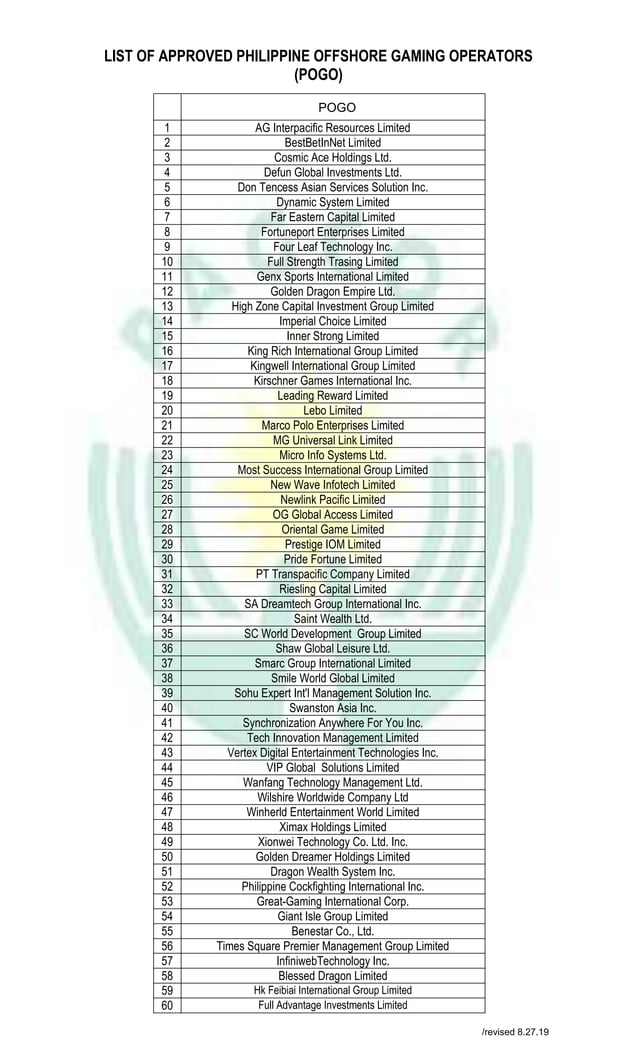
Here is a list of some prominent international gaming operators that have made significant contributions to the industry:
- WillHill – A leading sports betting operator with branches in multiple countries.
- 888 Holdings – Renowned for its diverse portfolio, including poker, casino, and sports betting platforms.
- Bet365 – One of the largest online gambling companies globally, offering a wide range of sports and casino games.
- William Hill – A well-known name in the UK, with a strong online presence and retail betting outlets.
- Flutter Entertainment – Known for its brands such as Paddy Power, Betfair, and PokerStars, appealing to a wide international audience.
The Rise of Online Gaming
The advent of high-speed internet and mobile technology has transformed gaming, giving rise to online gaming operators. These businesses offer players the ability to enjoy games from the comfort of their homes, providing live dealer games, slots, and betting opportunities on various events. The convenience of online platforms continues to attract millions of players worldwide, which is reflected in the substantial revenue generated by online gaming operators.
Innovations and Trends in Gaming
The gaming industry is characterized by continual innovation. Some recent trends shaping the landscape include:
- Mobile Gaming: With smartphones being ubiquitous, mobile gaming has surged, making it essential for operators to optimize their services for mobile users.
- Live Casino Games: This trend bridges the gap between online and traditional gambling, offering players the thrill of a physical casino experience.
- Esports Betting: The rise of competitive gaming has opened new avenues for betting, attracting a younger demographic.
- Blockchain Technology: Some operators are utilizing blockchain for transparency and security, ensuring fair play and enhancing user trust.
Challenges Facing the Industry
Despite the booming success of gaming operators, the industry also faces several challenges. These include:

- Regulatory Changes: As governments evolve their stance on gambling, operators must remain agile to adapt to new laws and requirements.
- Responsible Gaming: Issues related to addiction and player protection are becoming increasingly important, demanding that operators implement measures to promote responsible gaming.
- Competition: The influx of new entrants into the market intensifies competition, necessitating that operators continually innovate to attract and retain players.
The Future of Gaming Operators
The future of international gaming operators looks promising, with growing acceptance and integration of gaming in various forms. As technology continues to evolve, operators are likely to adopt more sophisticated tools, such as artificial intelligence and data analytics, to enhance player experiences and streamline operations. Developing trends, including augmented reality (AR) and virtual reality (VR), may also redefine how players interact with games, creating immersive environments that mimic real-life gambling experiences.
Conclusion
The international gaming operators list showcases a myriad of companies that shape the landscape of the global gaming industry. As the sector continues to grow and evolve with technological advancements, understanding the key players and emerging trends is vital for stakeholders, investors, and players alike. By staying informed about the operational standards, regulatory environment, and innovative practices, one can navigate the intricate world of international gaming operators effectively.