
Understanding Horse Racing Betting Licensing
Horse racing is not just a sport; it is also a massive industry, particularly when it comes to betting. The thrill of wagering on a horse race adds an extra layer of excitement for fans and enthusiasts alike. However, operating a betting business, especially in horse racing, requires a thorough understanding of horse racing betting licensing. In this article, we will explore what horse racing betting licensing entails, why it is essential, and how it functions within the regulatory framework of the industry. For those interested in diving deeper, check out Horse Racing Betting Licensing horse racing betting licensing, a comprehensive resource on the topic.
The Significance of Licensing in Horse Racing Betting
Licensing is a fundamental aspect of the betting industry. It serves several purposes, including protecting consumers, ensuring fair play, and promoting responsible gambling. In horse racing betting, licensing grants operators the legal authority to conduct betting activities, and it ensures that they adhere to the established regulations and standards. This oversight is crucial, especially given the large amounts of money involved and the potential for fraud or manipulation.
Types of Licenses for Horse Racing Betting
In most jurisdictions, there are two primary types of licenses that betting operators may need to obtain:
- Fixed Odds Betting License: This license allows operators to offer fixed odds betting options on horse races. Bettors place wagers based on odds that do not change until the conclusion of the race.
- Parimutuel Betting License: Parimutuel betting involves pooling bets and paying out winnings based on the total pool of money wagered. This type of betting is commonly used in horse racing and requires a specific license.
Regulatory Authorities and Different Jurisdictions
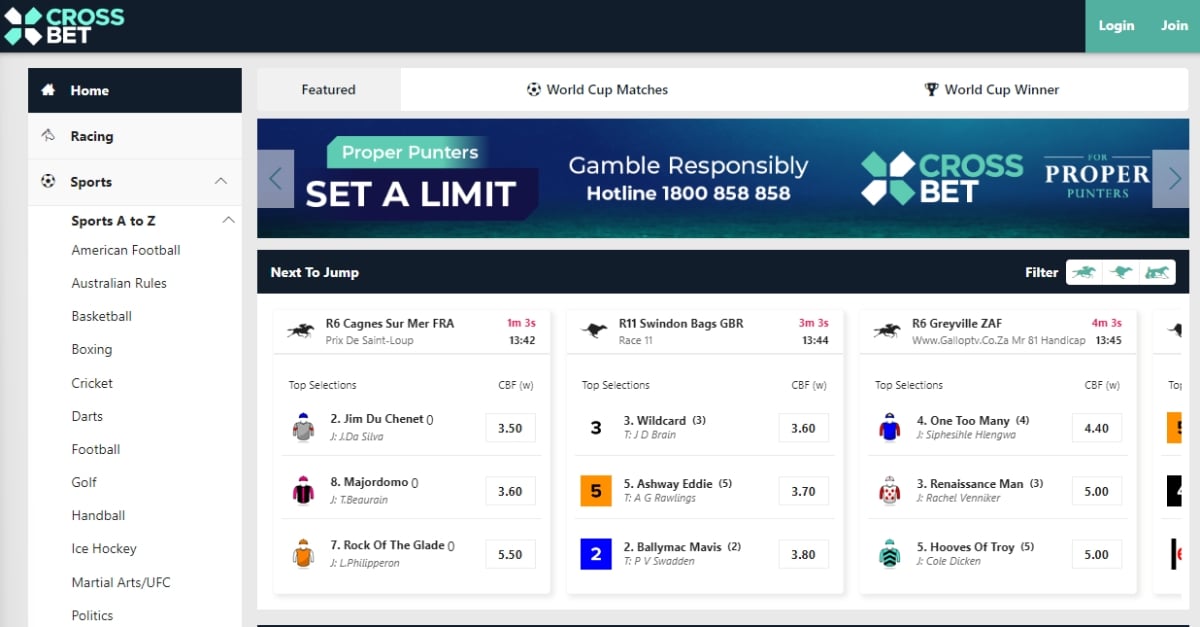
Each jurisdiction has its own regulatory authority overseeing horse racing betting licensing. For instance, in the United Kingdom, the UK Gambling Commission is responsible for granting licenses and ensuring that operators comply with the law. Meanwhile, in the United States, horse racing betting is typically regulated at the state level, with each state having its own gaming commission or authority.
International Licensing
For operators looking to reach a broader audience, obtaining an international licensing can be beneficial. Many countries have established frameworks that allow operators to obtain licenses that are recognized globally, making it easier to cater to international customers. However, this process often involves strict compliance with regulatory standards, which can differ signific

antly from one jurisdiction to another.
The Licensing Process
The process of obtaining a horse racing betting license can be complex and time-consuming. It generally involves several key steps:
- Application Submission: Interested operators must submit an application that usually includes detailed information about their business model, financial stability, and operational plans.
- Background Checks: Regulatory authorities conduct thorough background checks on the individuals behind the operation to ensure they have no history of criminal activity or fraudulent behavior.
- Financial Assessment: Operators must demonstrate financial viability and provide proof of sufficient funds to cover potential payouts.
- Compliance Review: Authorities will review the applicant’s compliance with local laws and regulations pertaining to gambling and consumer protection.
- Approval and Issuance: If the application is approved, the operator is issued a license, but they must continue to comply with all regulations to maintain their license.
Key Considerations for Betting Operators
For operators in the horse racing betting industry, it is critical to stay compliant with licensing requirements to avoid penalties, including suspension or revocation of their license. Here are some important considerations:
- Regular Reporting: Many regulatory bodies require operators to submit regular reports regarding financial status, betting activities, and compliance with responsible gambling practices.
- Adherence to Responsible Gambling Policies: Operators must implement measures to promote responsible gambling and protect consumers, which can include self-exclusion programs and limits on betting amounts.
- Ongoing Training: Staff members should receive training on compliance and responsible gambling policies to ensure that they are aware of their responsibilities and can assist customers appropriately.
The Future of Horse Racing Betting Licensing
As the world continues to evolve, so too does the landscape of horse racing and betting. With the rise of technology and online betting, regulatory bodies are adapting their frameworks to address new challenges. The shift to digital platforms means that licensing processes must also evolve, ensuring that they remain relevant in an increasingly complex environment.
Emerging Technologies
Innovations such as blockchain technology offer solutions for transparency and security in betting. Some jurisdictions may soon explore integrating these technologies into their licensing processes to enhance accountability and consumer protection.
Adapting to Global Trends
With the globalization of the betting market, operators might find opportunities to collaborate across borders. Regulatory authorities will need to keep pace with these changes, ensuring that their licensing frameworks are both flexible and robust enough to accommodate new developments.
Conclusion
Horse racing betting licensing is a critical aspect of the betting industry, ensuring that operators can conduct their business legally while protecting consumers and maintaining fair play. Understanding the intricacies of licensing processes, requirements, and regulatory frameworks can provide valuable insights for both existing and aspiring betting operators in the horse racing sector. As the industry continues to evolve, staying informed and compliant will be paramount to success in this exciting arena.